
Two Stand-Out Solo Exhibitions in Hunterdon County, New Jersey
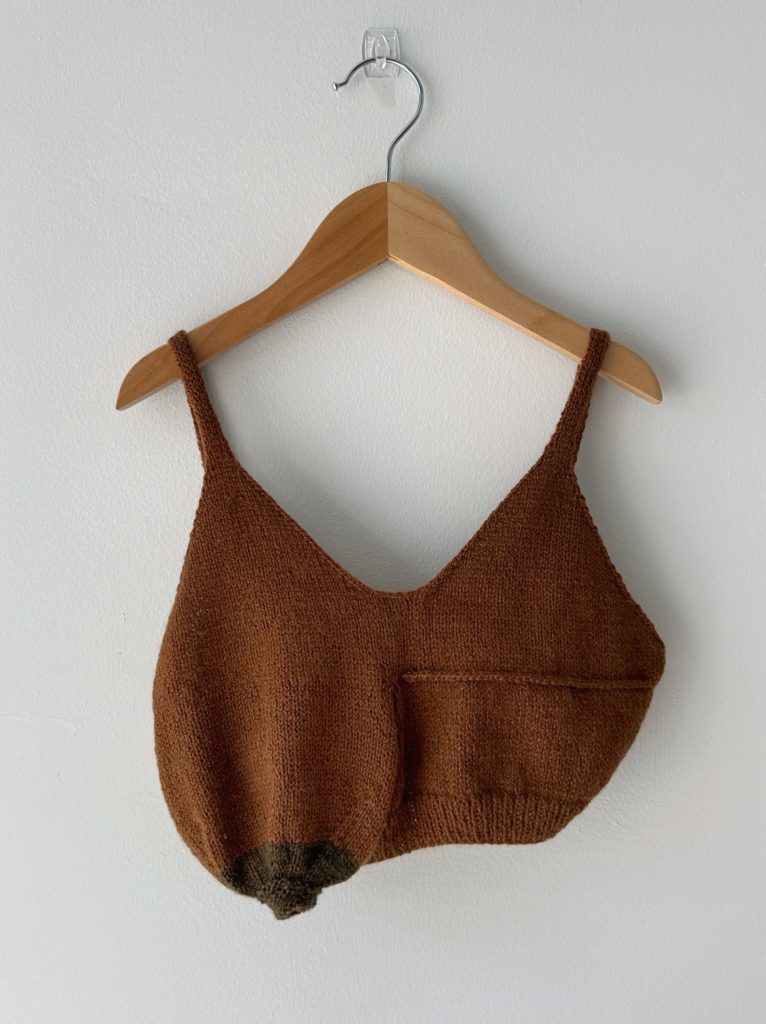
In this review for INES_Magazina, art critic D. Dominick Lombardi examines two solo exhibitions in Hunterdon County, New Jersey: African, American: The Art of Troy Jones at the Hunterdon Art Museum and Mom Bras: Cassie Arnold at ArtYard. Through painting and textile art, Troy Jones and Cassie Arnold explore racial identity, gender, bodily representation, and prevailing cultural ideals of beauty.
the braid – la trenza: Sorrow and Joy
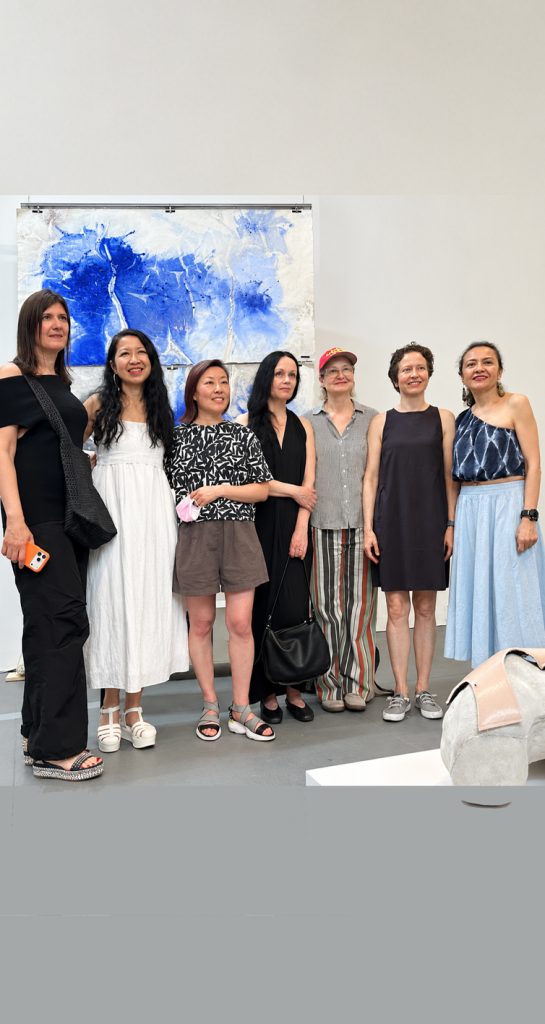
Sorrow and Joy brings together Susan Salinger, Mary Mattingly, Monika Weiss, Cecile Chong, Lilia Ziamou, Esperanza Cortés, Sandra Eula Lee, Tatiana Istomina, and Yohanna M. Roa in a collective curatorial project at WhiteBox Portable @ Gallery MC.
The Material Conditions of the Future: He Spoke to the Birds
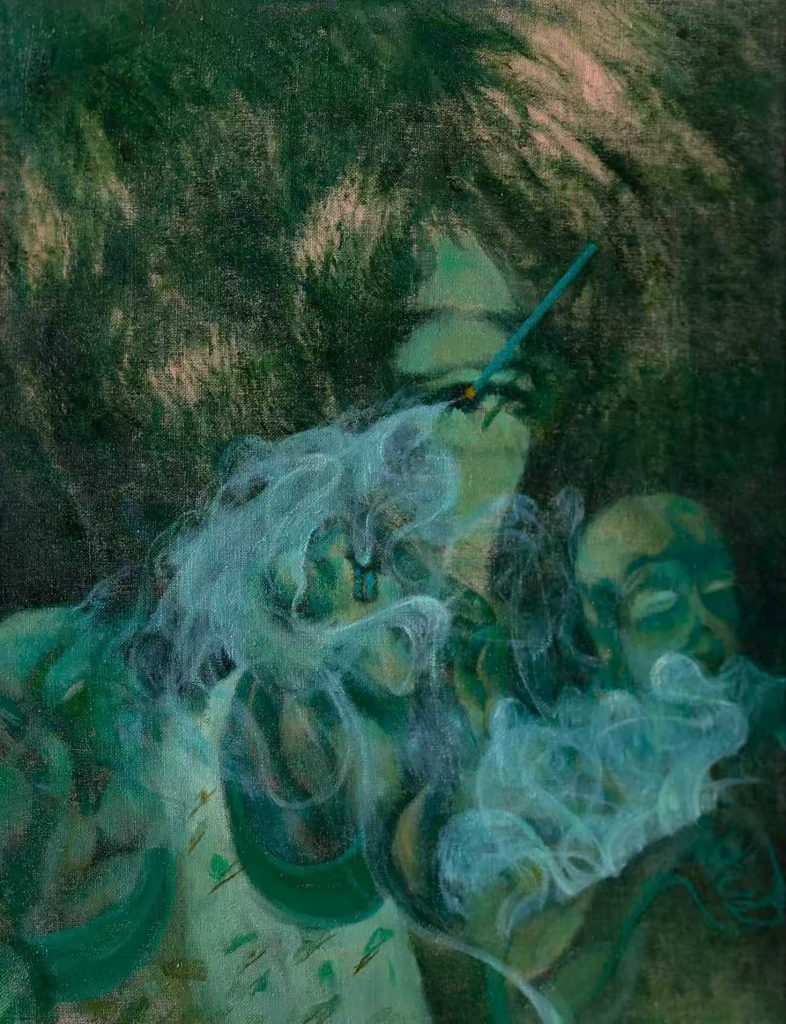
He Spoke to the Birds brings Arte Povera into the present through works by Jeremias Rumpl, Diego Azzola, and Huang Zhe at AAIE Center for Contemporary Art in Rome.
GRACIELA TAQUINI, TO CONTINUE
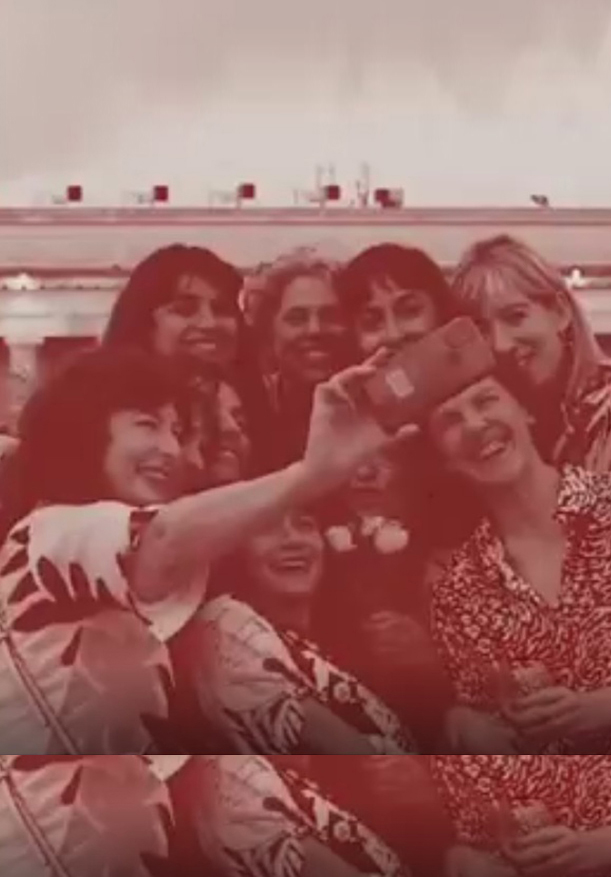
Nekane Aramburu remembers Graciela Taquini, a pivotal figure in Argentine video and electronic art, tracing her artistic and curatorial practice, her networks of affection, and the living legacy she leaves behind.
Embodying Postmemory Even in The Worst Possible Times

A reading of Los peores tiempos posibles (The Worst Possible Times), Regina José Galindo’s retrospective at Museo Universitario del Chopo, through the body, postmemory, violence, and resistance.
Bodies and Souls
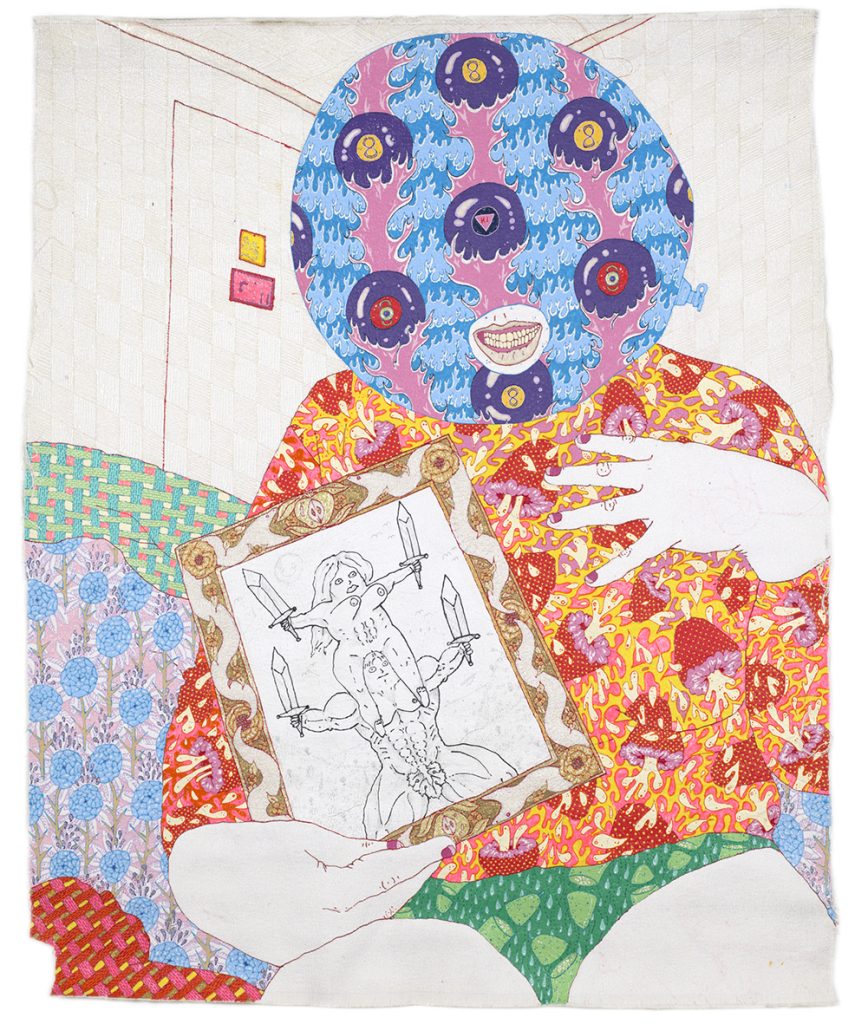
Art critic Dominick Lombardi interviews curator Robert Cozzolino about Bodies and Souls, the landmark exhibition at the Pennsylvania Academy of the Fine Arts (PAFA) in Philadelphia. The conversation explores the extraordinary collection of Robert and Frances Coulborn Kohler, the resurgence of figurative art, collecting beyond the canon, representation, identity, and the enduring power of the human figure in contemporary American art.
Nancy Bowen at Nunu Fine Art Gallery, NY: Weaving Language, Exceeding Certainty
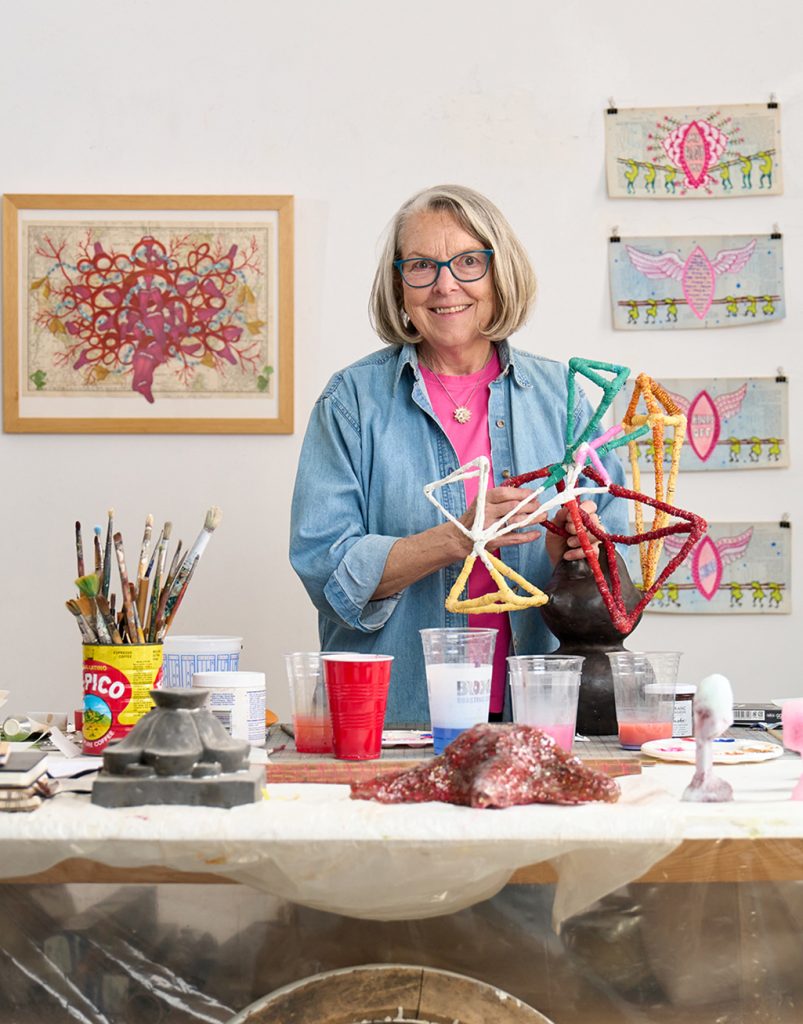
Yohanna Magdalene Roa reviews Nancy Bowen’s From A to Z and the Bodies In Between for Ines Magazine. Through collages made from vintage dictionaries and hybrid sculptures, Bowen explores language, memory, feminist histories of craft, systems of knowledge, and the relationship between materiality and thought.
Textile Culture Backup: Reorganizing Art Through Porosity
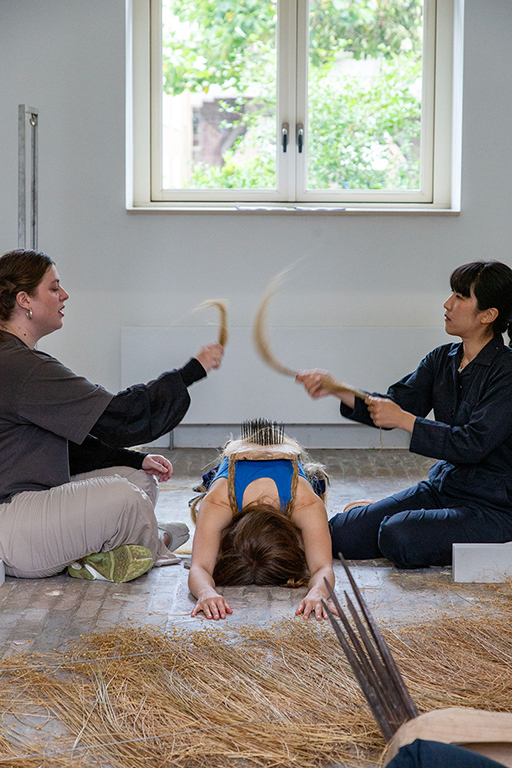
A critical essay by Yohanna M. Roa on Textile Culture Backup and Textile Culture Net, examining distributed curatorship, institutional porosity, textile politics, counter-archives, and transnational cultural production through contemporary textile art.
Jerry Kearns: Complicit at Frosch & Co Gallery
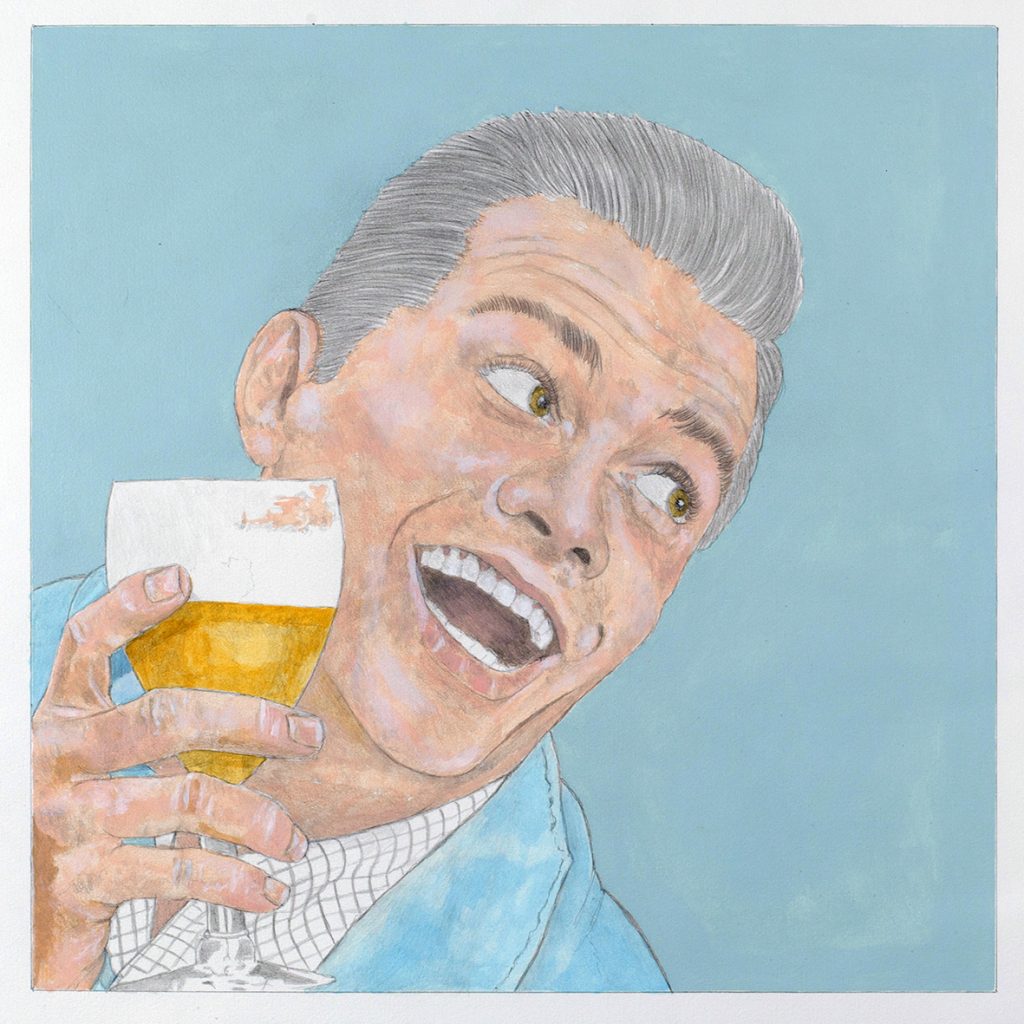
Review of Jerry Kearns’s Complicit at Frosch & Co Gallery, examining authoritarianism, American consumer culture, ICE imagery, Pop aesthetics, and political painting in contemporary art.
The Endless Garment: Atlantic Basin
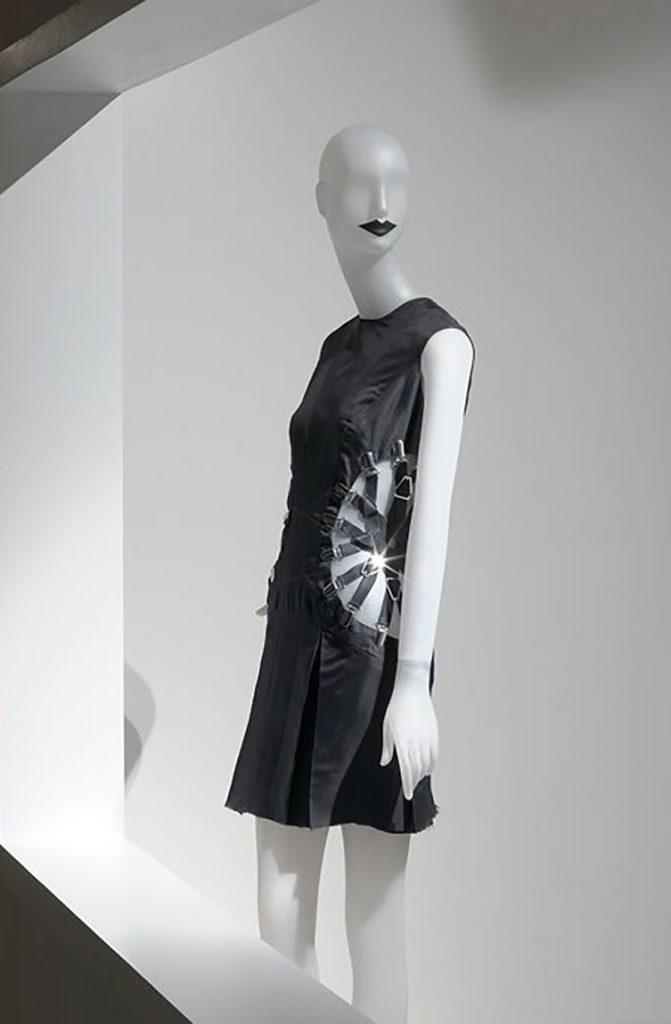
A critical review of The Endless Garment: Atlantic Basin at Pioneer Works, For Ines Magazina, Wei Huang , examining how labor, migration, and textile economies intersect with diasporic identity—and how curatorial framing shapes their legibility.